
Can and Coating Quality Inspection Procedures
Visual Quality Inspection
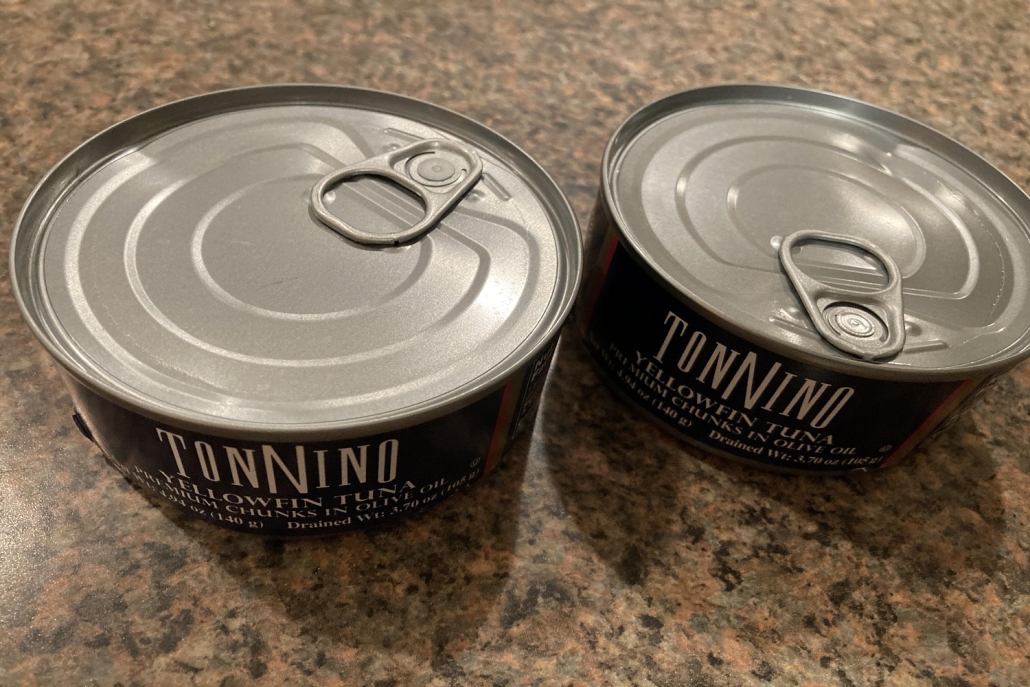
Inspect with the naked eye the appearance of the can body, double seam, weld seam, print quality, uniformity of internal and external coatings, the structure of the easy-open end and bottom end, integrity of internal and external coatings, sealant completeness, and check for contamination on the lid surface. Record defect types and quantities.
Main Dimensional Inspection
Measure the main dimensions of the can body, easy-open end, and bottom end using specialized or general measuring instruments with an accuracy of 0.01 mm.
Double Seam Structure Inspection
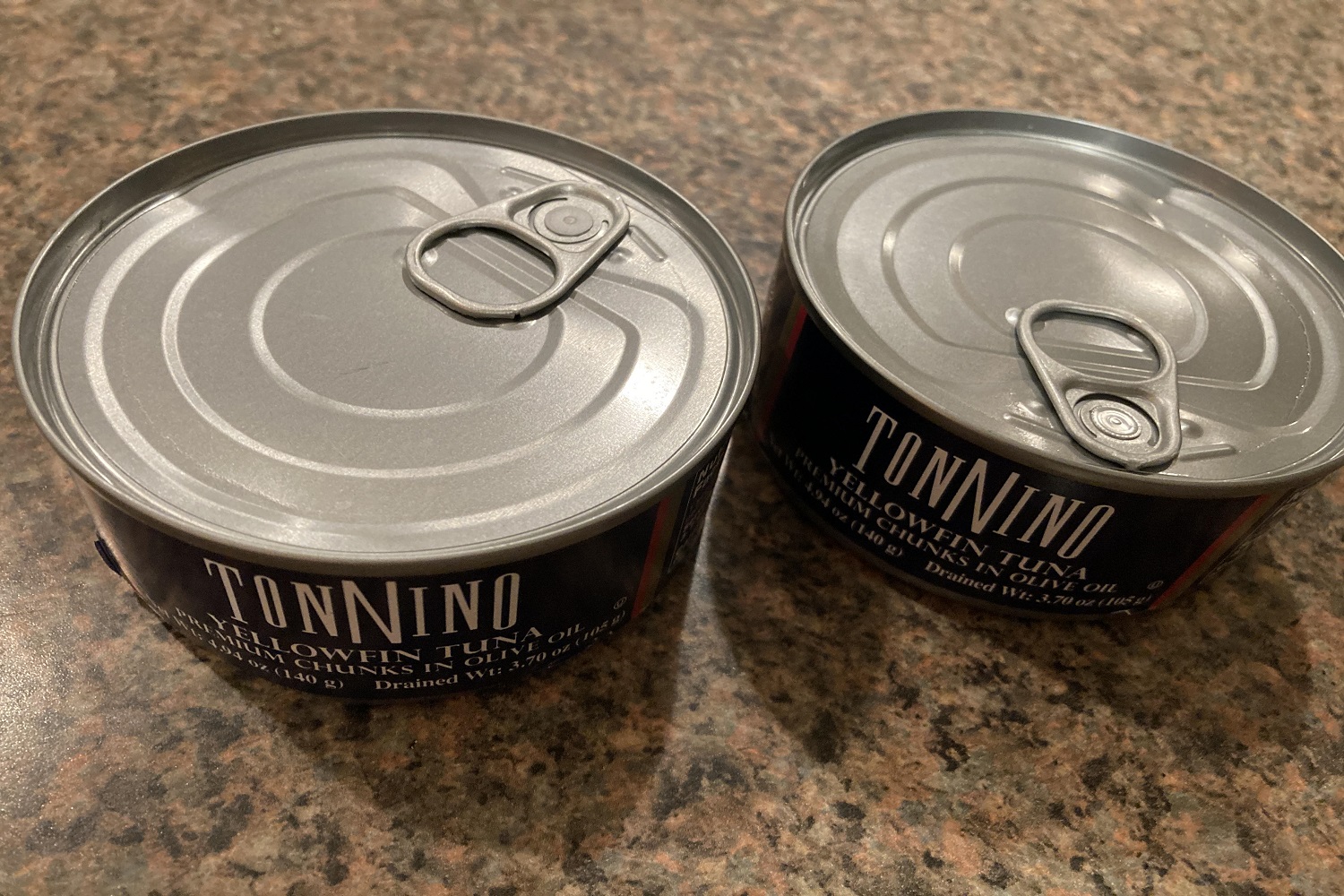
Check overlap length, overlap rate, and tightness according to GB/T 14251.
Internal Coating Integrity Inspection
For tinplate (or chromium plated) can bodies and bottoms, use an internal coating integrity tester with a reading ≤0.1 mA and operating voltage 6.3 V (DC). Connect the can body to the positive electrode; fill the can with 20 g/L sodium sulfate solution, leaving the liquid surface 3 mm below the can opening; insert a stainless steel rod connected to the negative electrode. Read the defect current value at 4 seconds. For aluminum alloy easy-open ends and bottoms, test using 10 g/L sodium chloride solution.
Sealant Dry Film Quality Inspection
Weigh the easy-open ends and bottoms with sealant applied using a balance with 0.001 g accuracy, recording weight as W₁. Remove the sealant from inside the lid, dry it, then weigh again as W₂. The dry film quality of the sealant is W = W₁ – W₂.
Easy-Open End Opening Force and Full Opening Force Test
Using a tester with a reading value ≤1 N, test the easy-open end. Record the maximum values at the instant the pull tab breaks the seal and when the pull tab fully detaches.
Pressure Resistance and Sealing Test
(1) Can Body
Immerse the can body in water. Slowly increase internal air pressure to 150 kPa (gauge pressure), maintain pressure for 1 minute, then release. Observe for any permanent deformation or leakage during the test.
(2) Easy-Open End and Bottom End
Using a pressure resistance tester with a reading ≤10 kPa, slowly increase pressure inside the lid to 150 kPa (gauge pressure), maintain for 1 minute, then release. Observe for permanent deformation or leakage during the test.
Internal and External Coating Quality Inspection
(1) Curing Test
Place the assembled can body and lids into a steam cooker, immerse in distilled water, heat to 100°C, hold for 30 minutes, then remove and cool. Visually check the internal coating for whitening, peeling, flaking, and check printed patterns for fading.
(2) Internal Coating Corrosion Resistance Test
For cans with acidic contents processed at atmospheric pressure, immerse can bodies, easy-open ends, and bottoms in sealed containers with 20 g/L citric acid solution, heat at 100°C for 30 minutes, cool, and visually check for whitening, peeling, flaking, or corrosion of the internal coating.
For low-acid or other contents processed by high-pressure sterilization, use 20 g/L citric acid solution at 121°C for 30 minutes.
For protein-containing contents processed by high-pressure sterilization, use 0.5 g/L sodium sulfide solution adjusted to pH 6.0 with 30 g/L acetic acid, heat at 121°C for 30 minutes, cool, then inspect.
(3) Internal Coating Thickness Measurement
Use an electronic coating thickness gauge with 0.5 g/m² accuracy or test according to GB/T 2763—2006.
(4) External Repair Coating Band Integrity Test
Immerse the weld seam repair coating band in a solution of 20% copper sulfate and 10% hydrochloric acid for 2 minutes, then remove and observe for line corrosion or dense corrosion points.
Easy-Open End Opening Reliability Test
Open the easy-open end (after curing test) manually or with simple tools; the pull tab must not fall off.
Sealant Dry Film Performance
Choose one test method according to the characteristics of the packaged product:
(1) Water Resistance
Immerse sample lids in 100°C water for 20 minutes, then visually check that the sealant dry film is not sticky, remains elastic, adheres well to the lid, and the water is clear.
(2) Oil Resistance
Immerse sample lids in edible oil at 90–100°C for 10 minutes, then visually check that the sealant dry film is not sticky, does not dissolve, and adheres well to the lid.
(3) Solvent Resistance
Immerse lids in a sealed container with the product’s solvent for 7 days, then visually check that the sealant dry film shows no significant swelling and adheres well to the lid surface.
Lid Impact Resistance
Immerse sample lids in 60 g/L copper sulfate solution for 20 minutes, then visually check for no dense corrosion points or line corrosion.
Judgment Criteria
If the number of failed samples exceeds the prescribed number, the batch shall be judged as nonconforming or rejected. However, defective products may be removed and resubmitted for acceptance. If the batch still fails, it shall be judged as nonconforming.
 jjyixin.com
 jjyixin