

High-Speed Can Manufacturing: Optimizing the Cutting Process
The Automatic Food Can Production Line incorporates several key stages in the manufacturing of three-piece food cans, including shearing, welding, seam filling and drying, necking, flanging, beading, seaming, leak detection, internal coating and drying, and packaging. In China, this automated process is composed of a range of machines, such as a can body combination machine, two-way cutting machine, welding machine, seam protection filling/curing system, internal coating/curing system (optional), online leak detection machine, empty can stacking machine, strapping machine, and a film wrapping/heat shrinking machine.
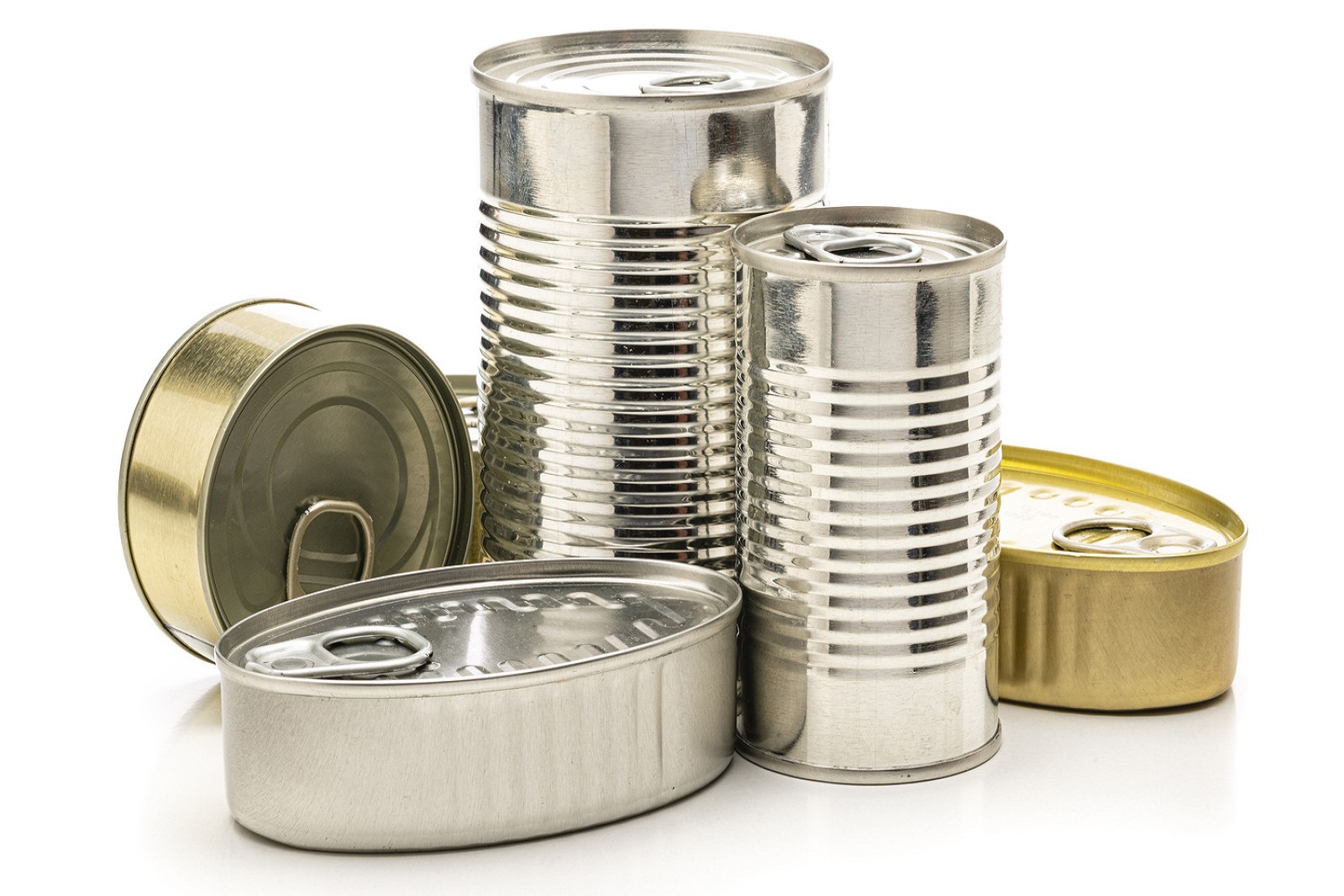
Front view of tins of food of different sizes, colors and shapes isolated on white background. High resolution 42Mp studio digital capture taken with SONY A7rII and Zeiss Batis 40mm F2.0 CF lens
At present, the can body combination machine is capable of performing multiple operations such as cutting, necking, expanding, flanging, beading, first and second sealing, at a rate of up to 1200 cans per minute. Let’s delve into the cutting process within the context of the Automatic Food Can Production Line:
- Cutting:
The cutting process is designed for high-speed production of short can types, like the 539 type, allowing for speeds of up to 1200 cans per minute. Previously, limitations in the welding machine’s scribing station and the cutting technique led to instances where the cutting line did not fully align with the pre-scribed line, resulting in “bell-mouth” shapes on the cut edges, which negatively impacted the quality of subsequent necking and flanging processes. However, with the introduction of a pre-positioned bearing scribing station and a mid-feeding method on the welding machine, along with axial ball bearing positioning guides on both sides and adjustable scribing depth, the cutting process now employs internal and external rotation cutting. These advancements have significantly improved cutting precision, meeting the high-speed and high-quality demands of the Automatic Food Can Production Line.
This upgraded process not only enhances production efficiency but also ensures the quality consistency required in modern high-speed can-making operations.

